
The Thrill of Chance Understanding the Dynamics of Gambling
The Nature of Gambling
Gambling is an age-old practice that evokes excitement and a sense of risk. It involves wagering money or valuables on an event with an uncertain outcome, often reliant on chance. People have engaged in gambling in various forms throughout history, from ancient civilizations using dice to today’s sophisticated online platforms. The thrill lies in the unknown; each bet is a gamble that can lead to either exhilaration or disappointment.
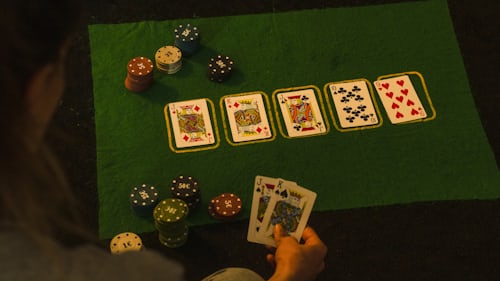
At its core, gambling intertwines psychology and probability. The anticipation of winning can trigger feelings of elation, while losses can lead to despair. Understanding these emotional dynamics is crucial for anyone interested in the gambling world. Players often navigate between hope and dread, creating an intense experience that can be both thrilling and dangerous. For those seeking more information, auspin-168.com serves as a valuable resource.
The Role of Chance and Skill
The dynamics of gambling hinge significantly on the interplay between chance and skill. In games like poker, players must make strategic decisions based on their skills while also considering the element of luck that affects each hand dealt. This duality attracts both casual players and seasoned professionals, making poker a perfect example of how skill can enhance the experience of chance.
Conversely, in games strictly governed by chance, such as roulette or slot machines, players rely entirely on luck. The unpredictability of these games draws in a different type of gambler, one that thrives on the idea of luck as the sole influencer of outcomes. This variance is what makes gambling appealing to a broad audience, as different games cater to various preferences for risk and skill.
The Psychology Behind Gambling
The psychological aspects of gambling are profoundly fascinating. Key emotions such as excitement, fear, and euphoria play a significant role in why people gamble. The risk of loss can provoke an adrenaline rush similar to the rush experienced in extreme sports. Additionally, the possibility of a life-changing win provides an alluring alternative to everyday monotony.
Gamblers often experience what is known as the “gambler’s fallacy,” believing they can predict outcomes based on past events. This cognitive bias can lead to further investment in gambling activities, sometimes resulting in problematic behaviors. Understanding these psychological influences is essential for responsible gambling practices, encouraging individuals to know their limits and approach gambling as a form of entertainment rather than a viable income source.
Exploring Responsible Gambling
As thrilling as the world of gambling can be, it is imperative to approach it with a mindful attitude. Responsible gambling involves making informed and conscious choices about how, when, and why one engages in betting activities. Various organizations focus on promoting safe gambling practices, providing resources and support for those who may struggle with gambling addiction.
Education about the risks associated with gambling is a critical part of fostering a healthier betting environment. Knowing how to recognize the signs of gambling addiction and understanding personal limits is crucial for both recreational and more serious gamblers. By embracing a responsible gambling mindset, individuals can enjoy the excitement while minimizing the associated risks.
Why Understanding Gambling Dynamics Matters
Grasping the intricacies of gambling dynamics is vital for participants and enthusiasts alike. The blend of chance, skill, and psychological influences shapes our approach to games of chance. Knowledge about these elements can enhance the experience, empowering individuals to make informed decisions whether for fun or serious play.
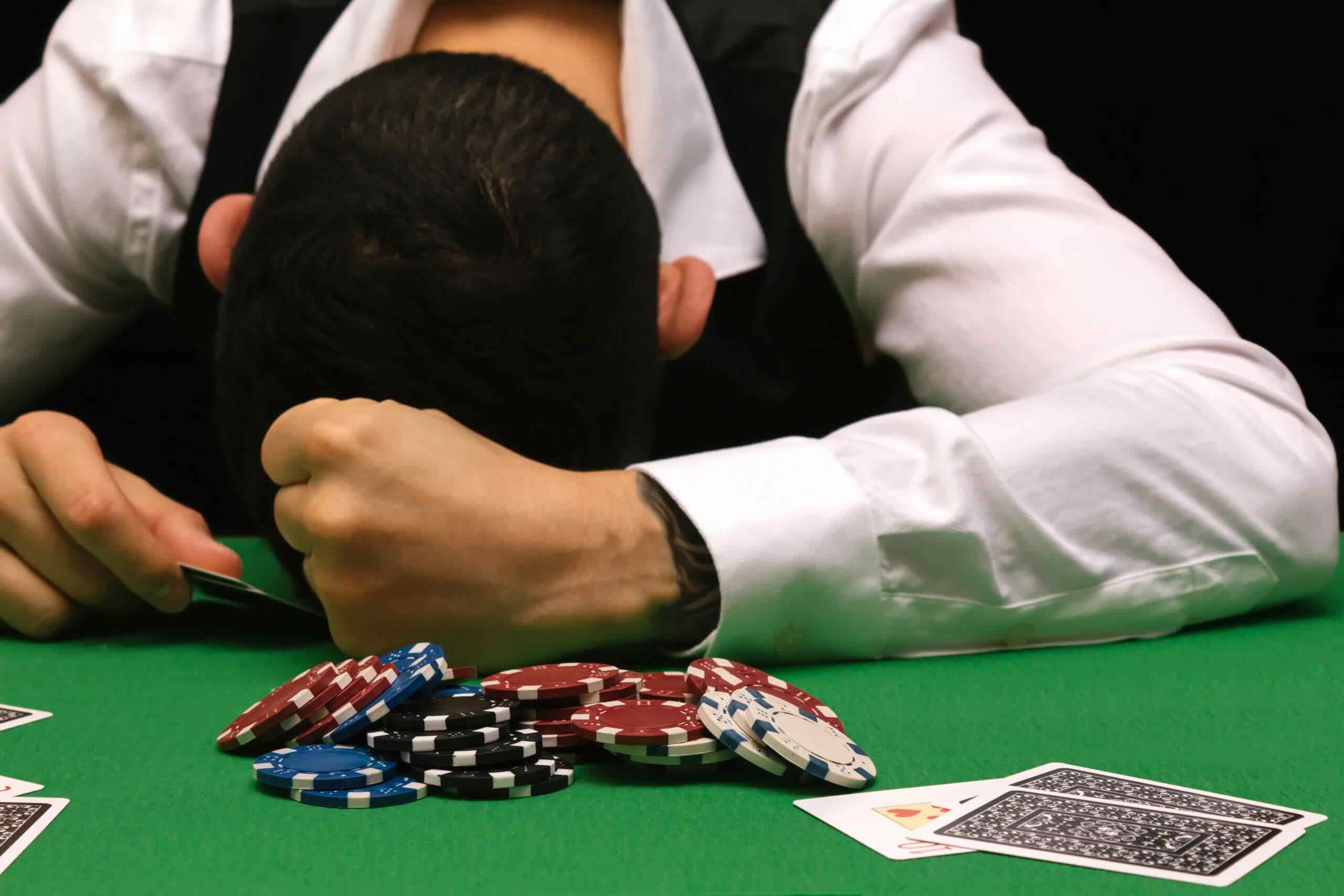
By delving into the dynamics of gambling, one gains insights into not only the thrill it offers but also the potential pitfalls. Becoming more acquainted with the psychological aspects and embracing a responsible gambling approach can lead to healthier enjoyment of various gambling forms. It’s not merely about winning or losing; it’s about understanding the game’s enigma and enjoying the experience responsibly.